
OpenClaw
The Most Important Part of the Hottest AI Agent Has Nothing to Do with AI.

In 1948, Claude Shannon was one of hundreds of engineers at Bell Labs working on the same problem: how to send voice signals cleanly over noisy copper wires. His colleagues were building better amplifiers, designing cleaner filters, tinkering with circuits. Shannon was doing something different. He was asking a question nobody else thought to ask — not “how do we make the signal louder?” but “how do we encode information so the noise doesn’t matter?”
His paper, “A Mathematical Theory of Communication,” turned out to be the entire foundation of the digital age.
I keep thinking about Shannon whenever I read the headlines about OpenClaw. Last week at GTC 2026, Jensen Huang stood on stage in his leather jacket and called OpenClaw “the operating system of agentic computers.” He said every company in the world needs an OpenClaw strategy, the way they once needed a Linux strategy, an Internet strategy, a mobile strategy. The crowd went wild. NVIDIA announced NemoClaw, an enterprise-ready reference stack. Peter Steinberger, the creator, was there in person — having already been hired by OpenAI to steward the project into a foundation.
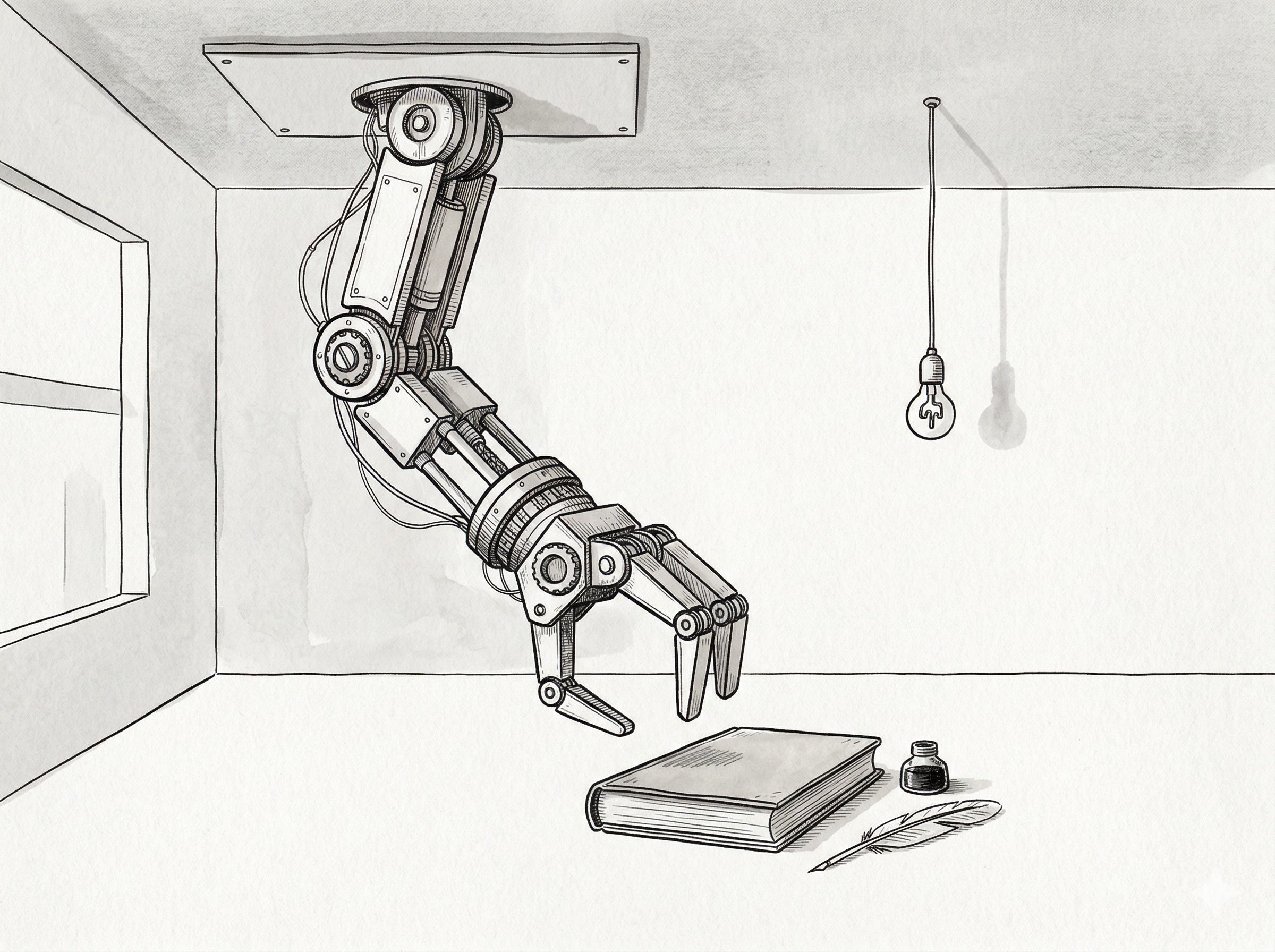
And in the flood of analysis that followed — the security breakdowns, the GTC recaps, the breathless “this changes everything” takes — almost everyone missed the same thing.
The most important part of OpenClaw has nothing to do with AI.
What OpenClaw Actually Is
Let me cut through every buzzword you’ve seen this month and tell you what OpenClaw actually is, architecturally.